
Stone, Salt, and Bone
Building African Druids Beyond the Woodland Archetype

The Forest Has Become the Default
Few fantasy archetypes are as closely tied to a specific landscape as the druid. Whether encountered in novels, video games, films, or tabletop roleplaying games, druids almost always emerge from forests. Their sacred sites are woodland groves. Their rituals are performed beneath ancient trees. Their symbols are leaves, roots, antlers, and mist-covered standing stones. Even when fantasy settings claim to present unique cultures, the druid often remains visually and philosophically tied to landscapes that resemble the forests of England, Scotland, Wales, or Ireland.
This association has become so common that many players and writers rarely question it. The image feels natural because it has been repeated for generations. Yet forests are only one expression of nature, and trees are only one form of life through which people might understand the sacred. When fantasy repeatedly presents woodland environments as the primary source of natural magic, it unintentionally narrows our imagination. Entire categories of landscapes disappear from consideration, despite being just as powerful, mysterious, and spiritually evocative.
For creators interested in African fantasy, this presents a remarkable opportunity. Rather than importing the traditional druid into African settings, we can ask what kinds of druids might emerge from African environments themselves. What spiritual traditions would develop among people whose lives are shaped by deserts, volcanic plains, salt lakes, stone forests, savannas, and ancient geological formations? What kinds of magic would arise from landscapes that have been ignored by mainstream fantasy despite appearing more fantastical than many fictional worlds?
The answer is not a single African druid tradition. The answer is dozens of distinct traditions, each shaped by a different relationship with the natural world. To understand these possibilities, we must first move beyond the assumption that nature begins and ends with the forest.
The Wisdom of Stone
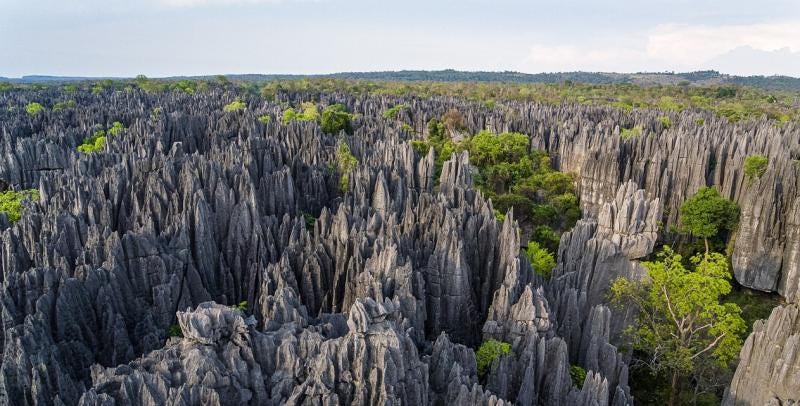
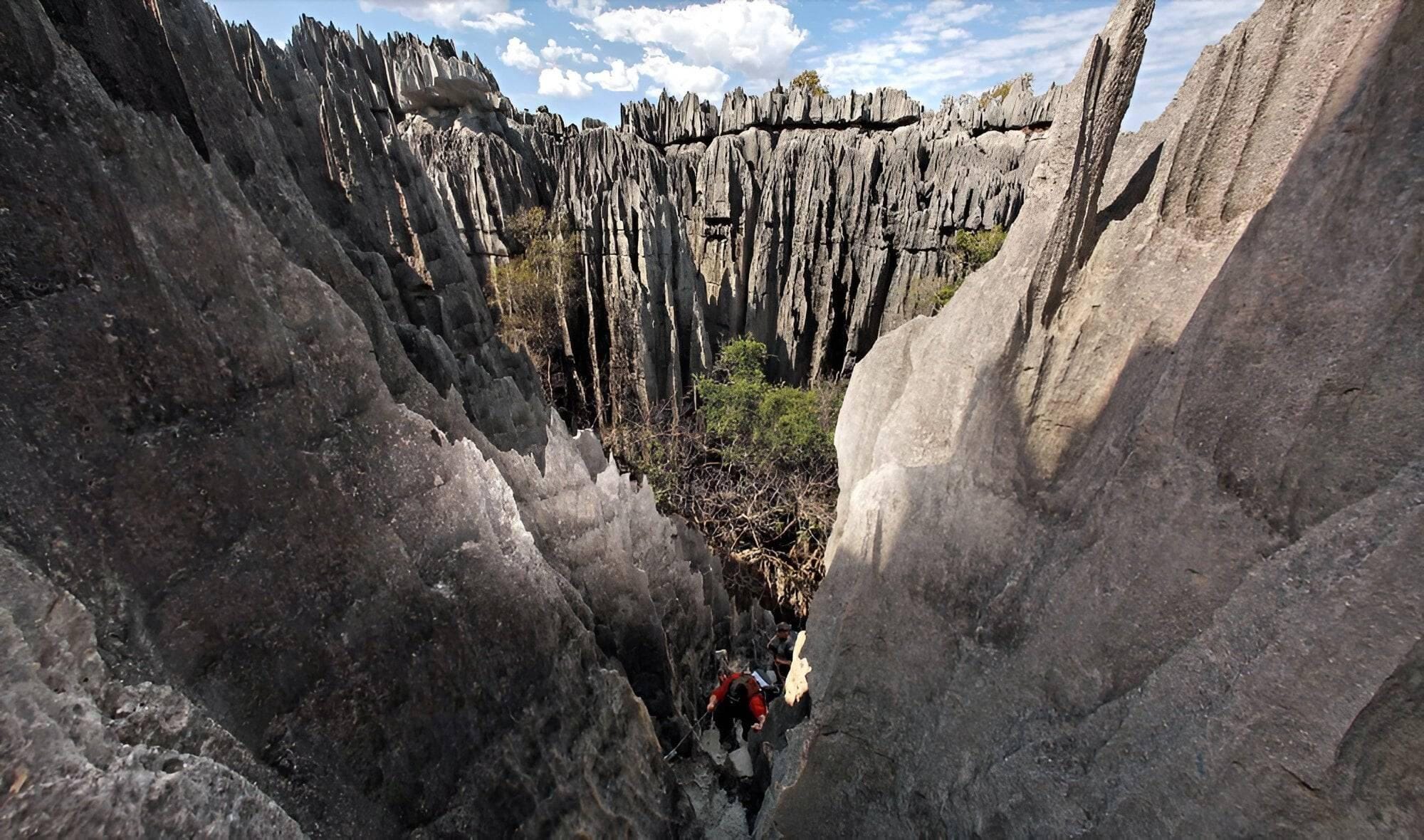
Among the most extraordinary landscapes on Earth is Madagascar’s Tsingy de Bemaraha, often called the Forest of Knives. Vast fields of razor-sharp limestone formations rise toward the sky, creating labyrinths of stone, narrow canyons, hidden caves, and towering pinnacles that seem almost impossible in their geometry. The landscape appears less like a natural environment and more like the remains of a forgotten world.
A druid tradition emerging from such a place would likely possess a very different understanding of life than one rooted in forests. Trees live for centuries, but stone formations endure for millennia. Forest druids often emphasize growth, seasonal cycles, and renewal. Stone druids might instead focus on endurance, patience, and transformation through immense spans of time. Their teachings would not be concerned with annual harvests but with geological ages. They would study erosion as a sacred process and understand change as something that unfolds over generations rather than seasons.
The spirits of such a tradition would also differ dramatically from those found in conventional fantasy. Instead of tree spirits, dryads, and woodland guardians, stone druids might commune with beings that inhabit cliffs, caves, and mountain faces. These entities would move slowly, think slowly, and perceive time differently from mortal creatures. A conversation with a stone spirit might take weeks. A promise made to such a being might remain binding for centuries.
For tabletop roleplaying games, this creates opportunities for entirely new druid circles. A Circle of Stone could derive its magic from endurance and memory rather than vegetation. Its members might shape rock, navigate hidden passages within mountains, and call upon ancient geological spirits whose knowledge predates recorded history.
Salt, Preservation, and Transformation
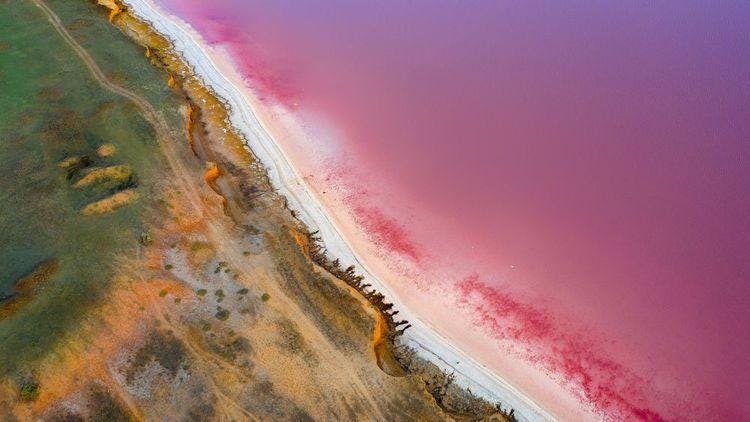
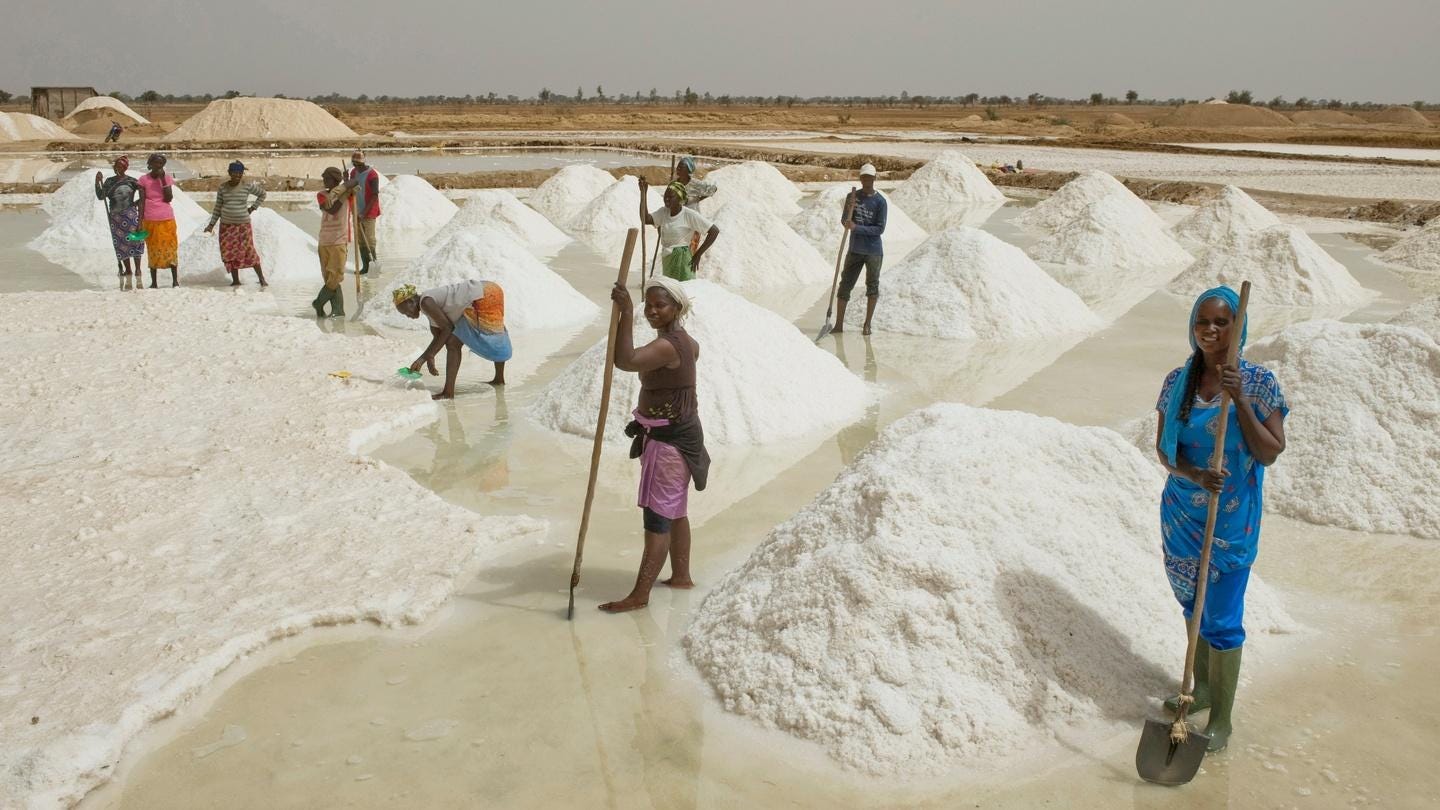
If stone teaches endurance, salt teaches transformation. Senegal’s Lake Retba, often called Lac Rose, is famous for its extraordinary pink waters. Created by unique ecological conditions and salt-loving algae, the lake appears almost magical when viewed beneath bright sunlight. The vivid color challenges expectations about what a body of water should look like, creating an environment that feels as though it belongs in a fairy tale.
A druidic tradition rooted in such a landscape would likely focus on preservation, adaptation, and change. Salt occupies a fascinating position within human history. It preserves food, supports life, and shapes economies, yet excessive salt can also transform environments into places where only specialized forms of life can survive. A salt druid might therefore view survival itself as sacred. Rather than celebrating abundance, they would celebrate resilience.
The spirits associated with these waters could embody transformation and adaptation. They would not necessarily reward strength or dominance. Instead, they might favor flexibility, endurance, and the ability to thrive under difficult conditions. Their lessons would focus on adjustment rather than conquest. In a fantasy setting, such druids could serve as guides through harsh environments, mediators between communities, and keepers of knowledge concerning ecological balance.
These ideas also offer an opportunity to rethink the Feywild. Instead of endless forests filled with glowing flowers, a salt-based magical realm might consist of crystalline shores, pink rivers, and spirit kingdoms built from mineral formations. The resulting vision of enchantment would feel distinctly different from traditional fantasy while remaining deeply rooted in a real-world African landscape.
Druids of Bone and Memory
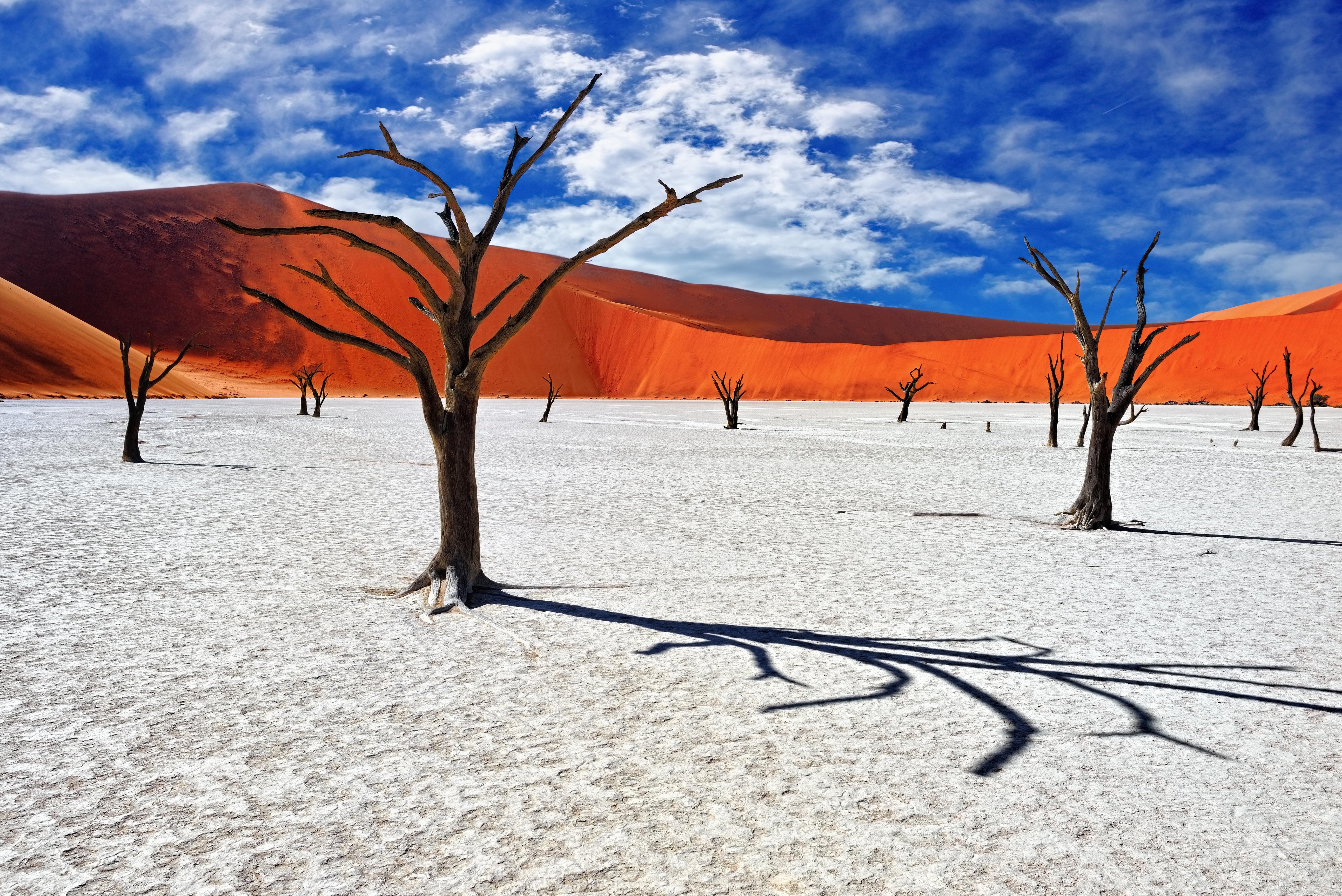
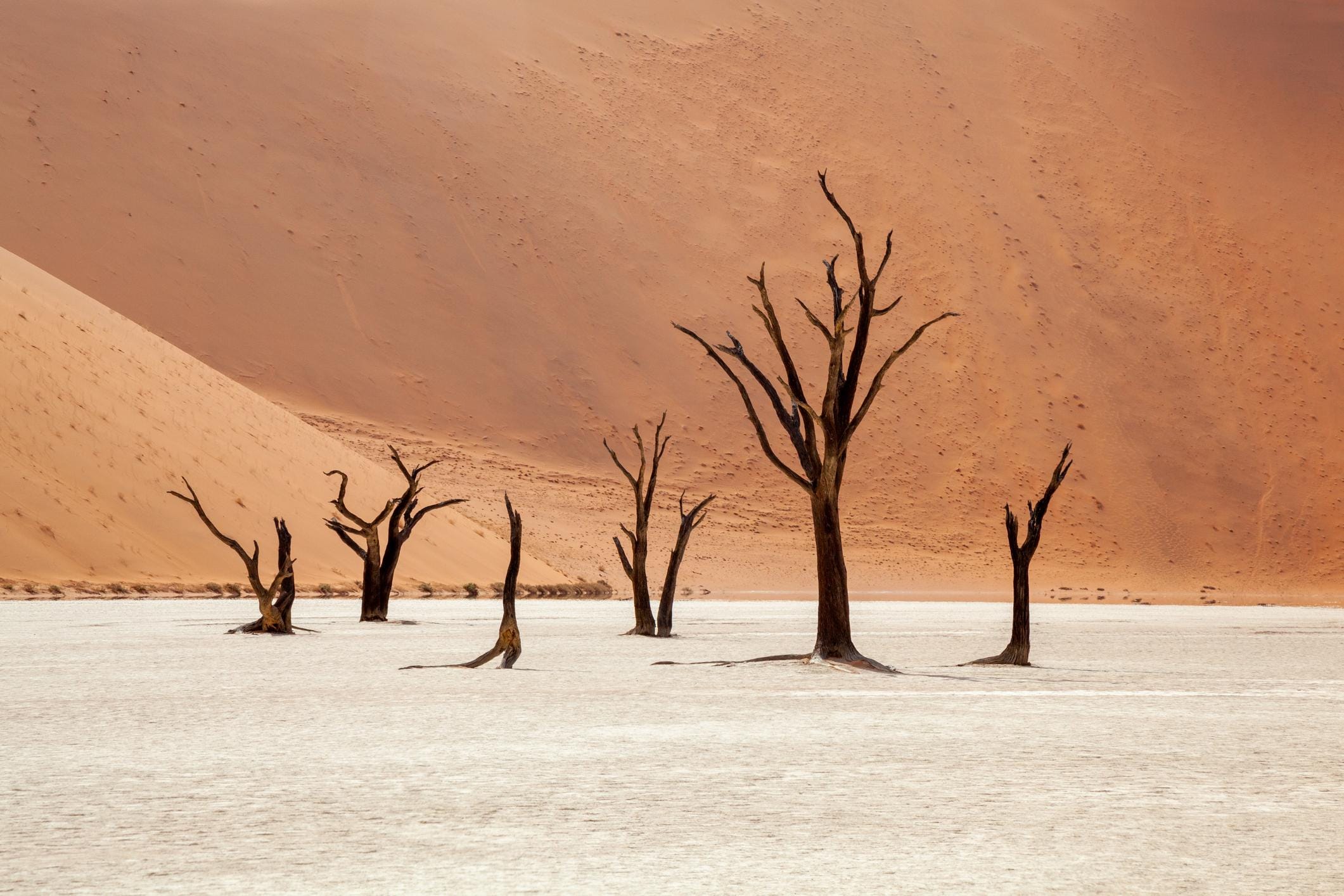
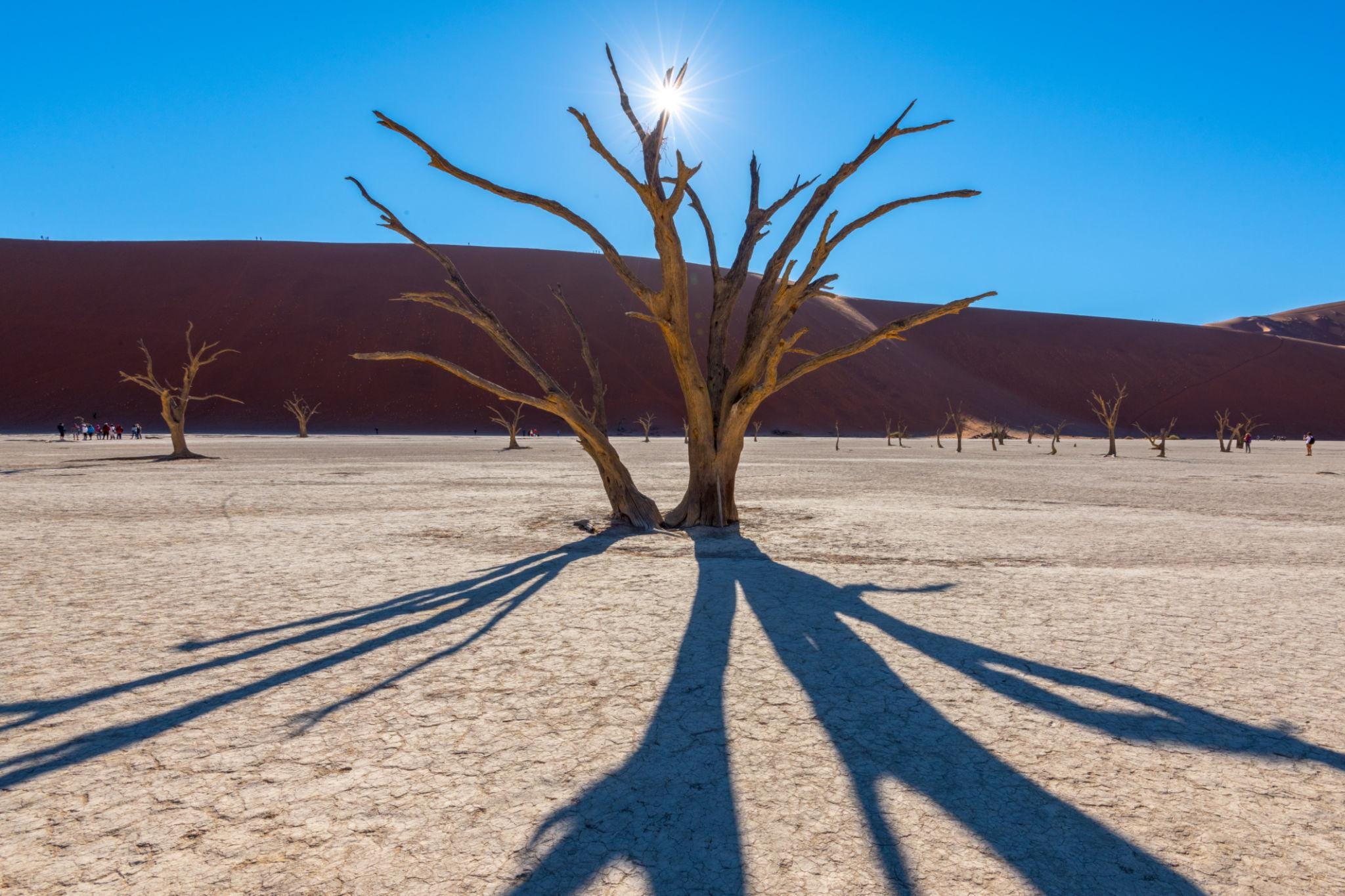
One of the most striking locations discussed in this series is Deadvlei in Namibia. Here, blackened trees stand frozen against white clay and red dunes, preserved by an environment so dry that decomposition barely occurs. The landscape feels suspended between life and death, creating an atmosphere unlike almost anywhere else on Earth.
A druid tradition inspired by Deadvlei would likely center upon memory. Rather than viewing death as an ending, these druids might understand it as a form of preservation. The dead remain present. Their stories remain visible. Their influence continues long after their physical lives have ended.
Such druids would function as historians, genealogists, and guardians of ancestral knowledge. Their sacred sites might consist of preserved trees, fossil fields, or ancient burial grounds. They would specialize in maintaining connections between past and present, ensuring that communities remember where they came from and what responsibilities they inherited from previous generations.
Unlike necromancers, whose relationship with death often revolves around control, bone druids would focus on stewardship. They would preserve memory rather than dominate it. Their power would emerge from reverence for ancestry rather than the manipulation of the dead.
This perspective aligns naturally with many African traditions that emphasize the continuing presence of ancestors within community life. For fantasy creators, it offers an alternative to the common fantasy assumption that death magic must always be sinister.
The Fire Beneath the Earth
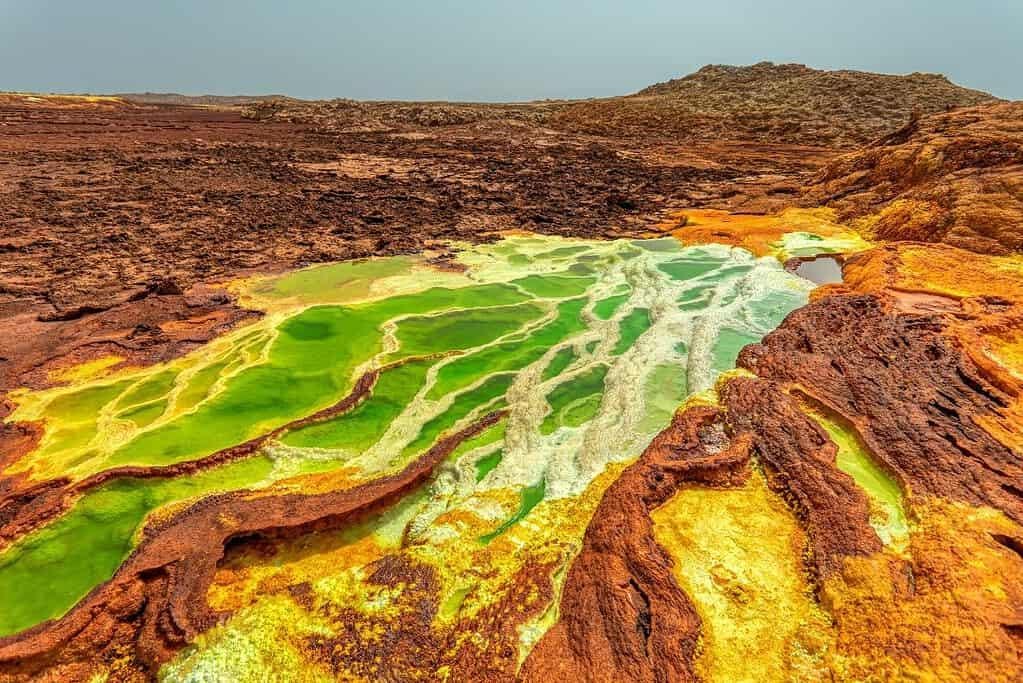
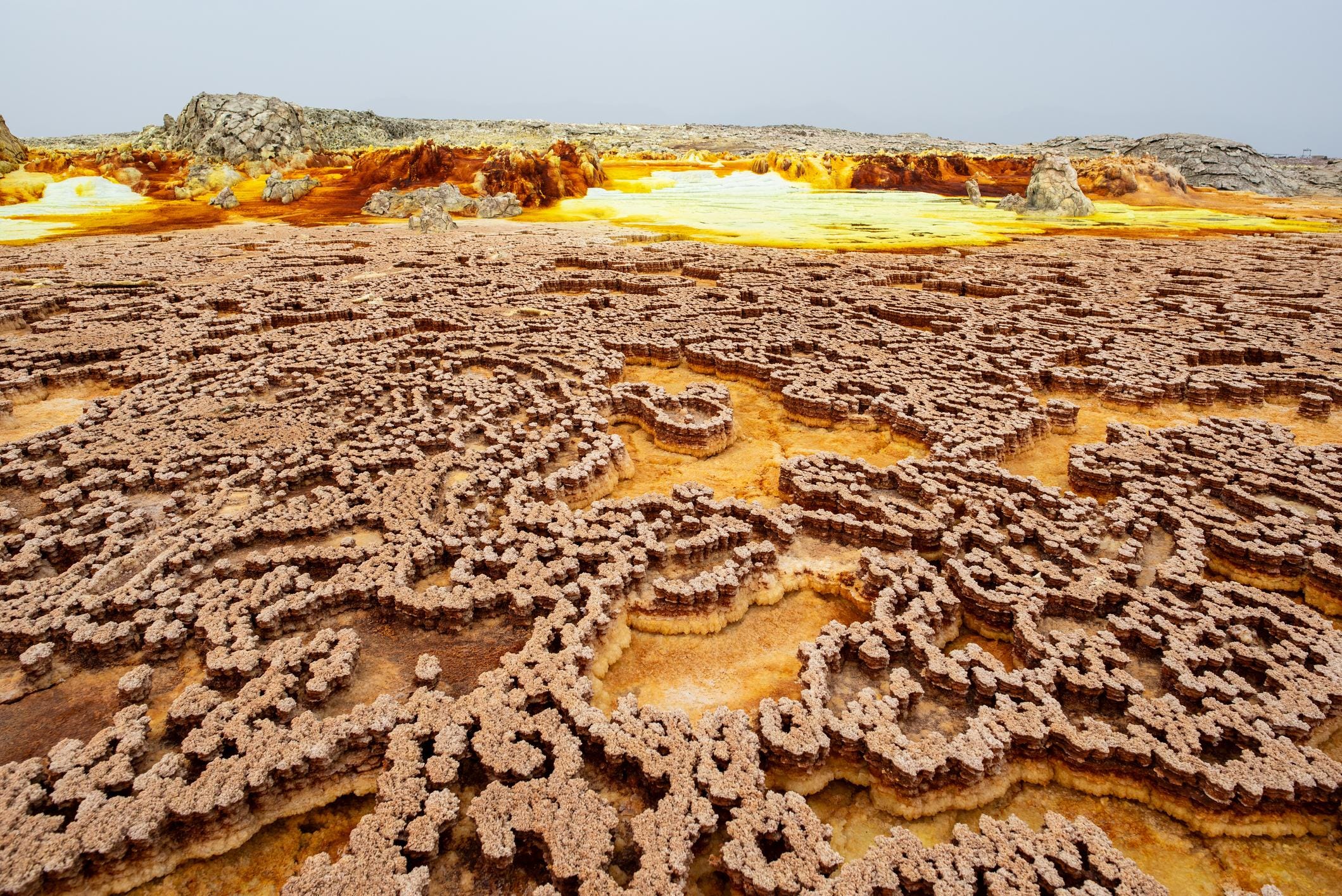
The Danakil Depression in Ethiopia challenges conventional ideas about nature itself. Sulfur fields, acidic pools, and vibrant mineral formations create an environment that resembles another planet. Bright yellows, greens, and oranges spread across the landscape in patterns that seem almost artificial. Yet this extraordinary terrain is entirely natural.
A druid shaped by such a landscape would understand nature as dynamic, volatile, and transformative. Rather than viewing nature as peaceful and harmonious, they would recognize that creation often emerges from upheaval. Volcanoes build mountains. Geological activity creates new land. Extreme environments produce specialized forms of life capable of surviving conditions that seem impossible.
Fire druids emerging from landscapes like the Danakil Depression would likely see change as a sacred force. Their rituals might center on transformation, renewal, and adaptation. Their magic could involve heat, mineral growth, volcanic activity, and the hidden energies beneath the earth’s surface.
Such traditions challenge another common fantasy assumption. Nature is often portrayed as gentle while fire is portrayed as destructive. The Danakil Depression reminds us that nature includes both creation and destruction, often occurring simultaneously.
Building Many Druidisms
Perhaps the most important lesson these landscapes offer is that there should never be a single druid archetype. The forest druid is one possibility among many, not the definitive expression of nature-based spirituality. Africa’s environments reveal how diverse such traditions can become when they emerge from specific relationships with place.
Stone forests produce druids who study endurance and geological time. Salt lakes produce druids who understand adaptation and preservation. Ancient drylands inspire traditions focused on memory and ancestry. Volcanic landscapes create philosophies centered on transformation and renewal. Each emerges from the same fundamental principle of connection to the natural world, yet each expresses that connection differently.
For tabletop roleplaying games, fantasy novels, and speculative fiction, this diversity creates opportunities for richer and more distinctive worldbuilding. Instead of copying familiar archetypes, creators can allow landscapes to shape belief systems, magical traditions, and spiritual practices. The result is not simply an African version of the druid. The result is a recognition that there are countless ways to understand nature, and that fantasy becomes stronger when it reflects the full diversity of the environments that inspire it.
As we continue this series, we will explore how these same landscapes can inspire new visions of spirit worlds, sacred architecture, holy warriors, and magical realms. The goal is not to replace existing fantasy traditions but to expand them by looking more carefully at a continent whose geography already contains many of the wonders fantasy creators spend their lives trying to invent.